
The Craft of the Deliberate Error
Why purposefully making mistakes can accelerate true mastery.
Topic
56 posts on this topic.
Why purposefully making mistakes can accelerate true mastery.

Why true mastery sometimes means knowing when to stop, and how to start again, on purpose.

Why knowing when to stop refining is as crucial as knowing how to start.
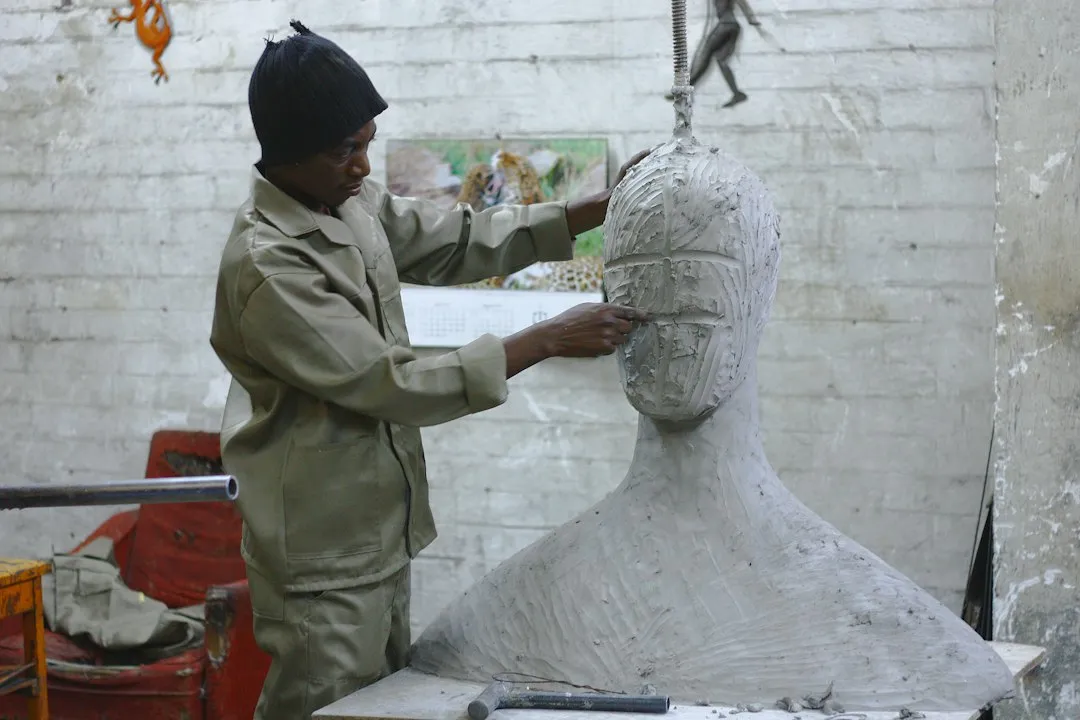
Why true mastery sometimes means dismantling your own best work.

Why true craft isn't about perfect straight lines, but knowing how to skillfully deviate.

Why true mastery isn't just about consuming new ideas, but revisiting old ones with fresh eyes.
Why true craft requires seeking out the grind, not avoiding it.

Why true craft is not about the first blow, but the thousandth.

Why leaving things slightly incomplete can be a potent act of craft.

Why true craftsmanship often involves knowing when to stop, not just when to act.
How intentional delays can refine your work, not impede it.

Why true mastery begins not with confidence, but with the quiet admission of how much you don't yet know.
Sometimes, the best way to improve is to consciously unlearn what you've always done.
Why the true craftsman isn't focused on results, but on the careful repetition of process.

Why slow, repetitive work is the forge of true skill.

Why true craft isn't about perfection, but about the relentless, quiet commitment to improvement.

Why true recovery often begins with acknowledging the internal burdens we silently carry.

Why true resilience often begins with admitting you don't have all the answers.

Why holding back truths, even small ones, drains more than it protects.

Why consistent, tiny wagers on yourself build more strength than grand gestures.
How unacknowledged burdens quietly erode our capacity to recover.

Why true resilience isn't about limitless endurance, but knowing where to stop.

How returning to your baseline, not just recovering, builds true fortitude.
How unacknowledged burdens quietly erode our capacity to recover.

Why small, intentional setbacks build a stronger capacity to recover from the big ones.
Why holding back genuine expression slowly erodes your capacity to recover.

Why resilience isn't just bouncing back, but actively mending what's broken.

Why relentless pursuit of perfection can be a silent drain on your capacity to recover.
How expressing our hidden burdens isn't weakness, but the first step towards true recovery.
Why true resilience isn't about being immune to damage, but about acknowledging and integrating it.

Why true resilience isn't just recovering, but growing stronger from the recovery itself.

Resilience isn't just bouncing back; it's finding renewed strength when you thought you had none left.
How unvoiced burdens subtly erode your capacity to recover.
Why the stories we don't tell ourselves are the heaviest burdens we carry.
Why trying to suppress a feeling often makes it stronger.

Why true resilience isn't just bouncing back, but getting better with every jolt.

Why incremental progress, not grand gestures, builds lasting strength.

Why true understanding sometimes means dismantling what you thought was true.
Why focusing on what to remove, not what to add, brings true understanding.

Why knowing what to discard is more potent than knowing what to pursue.
Why true focus emerges from the things you deliberately exclude.

Why having more options often leads to less clarity, not more.

Why leaving things unstated can reveal what truly matters.
Why true clarity often comes not from what you embrace, but from what you definitively reject.

Knowing what matters often begins with knowing what doesn't.

Why knowing what matters begins with dismantling inherited expectations.
Why true understanding often requires embracing, not eliminating, your personal lens.

What you miss when you assume you've already seen it.

The mind doesn't know the difference between practice and performance.

On staying somewhere long after the reason for staying has expired.

Most of how you live was decided before you thought to ask.

Why keeping your options open might be the most expensive choice you make.

Why knowing how to quit is a core competency, not a flaw.

Why copying someone else's morning rarely sticks.
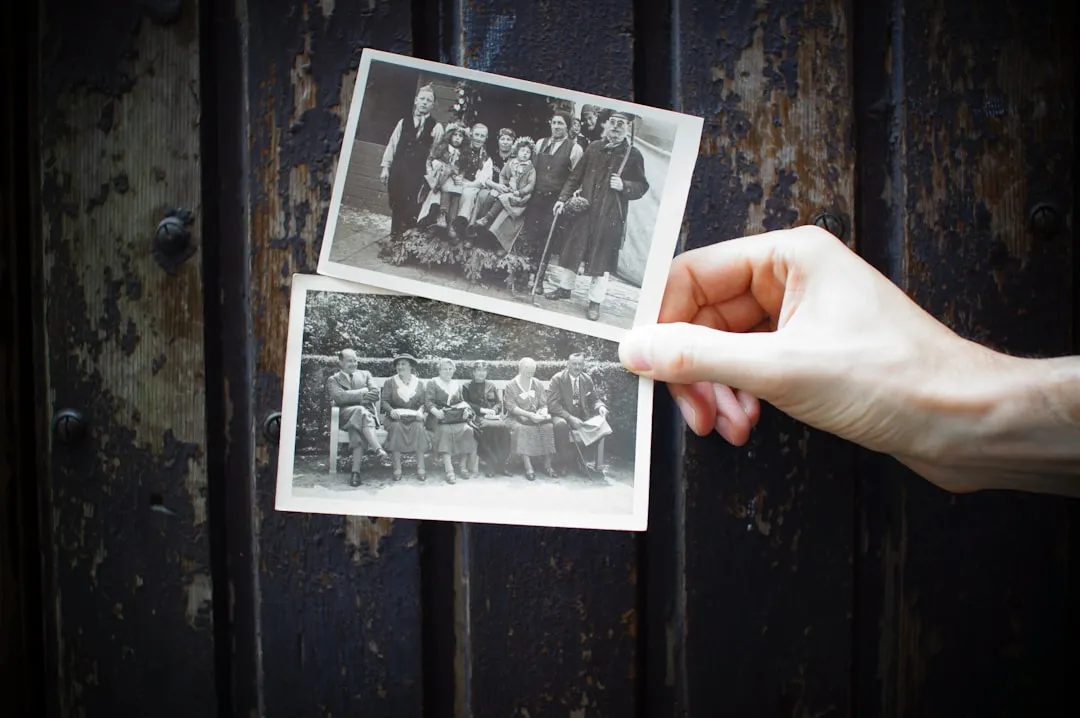
Before you can build who you want to be, you have to see who you were handed.
Why the practice of doing nothing is the hardest practice of all.