The skill of 're-anchoring'
How returning to your baseline, not just recovering, builds true fortitude.
↳ Inspired by naval metaphors for stability and personal growth discussions.
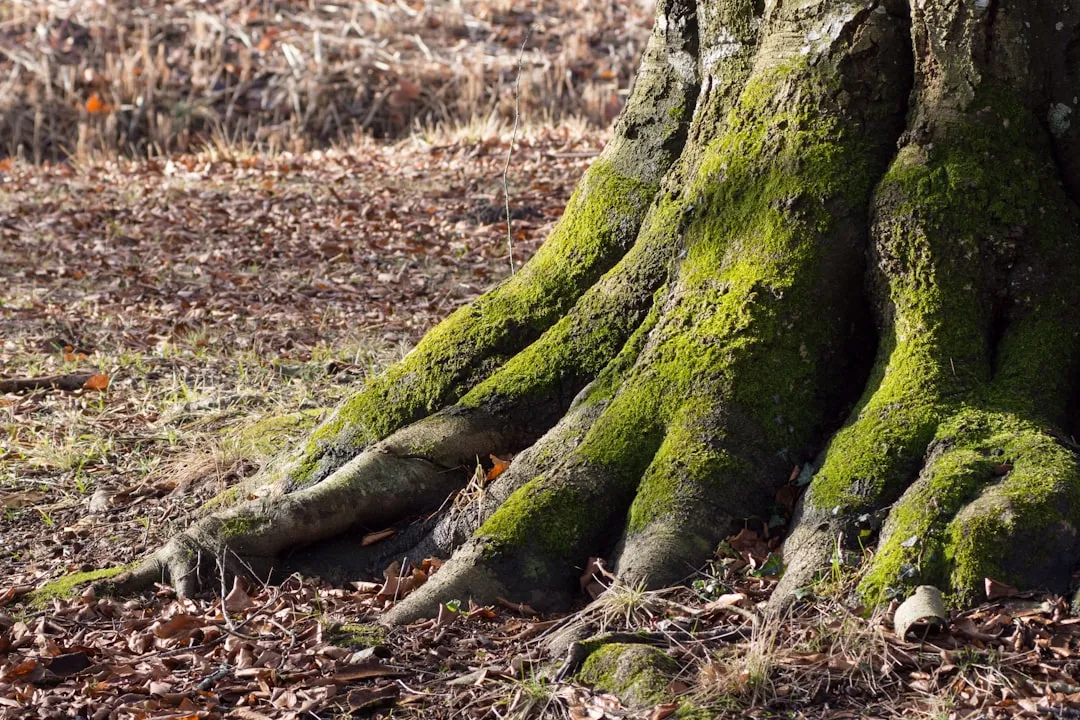
“We are like the tree. We bend, we sway, but our roots hold firm.” — African Proverb (attributed)
The Idea
Resilience is often depicted as ‘bouncing back’ to a previous state. But true recovery isn’t just a return to equilibrium; it’s a deliberate act of re-anchoring. When a boat weathers a storm, it doesn’t just float again; it drops its anchor once more, finding a new, stable hold. Similarly, after a setback, merely getting back to ‘normal’ isn’t enough. We need to consciously reconnect with our core values, our foundational routines, or our sense of purpose. This isn’t about ignoring the storm, but about intentionally establishing a new, secure footing in its aftermath. It’s an active practice, not a passive rebound.
One Question
After a recent challenge, what deliberate act of re-anchoring did you take, or could you take, to solidify your foundation for what comes next?
Today’s Action
- Identify one small routine that helps you feel grounded (e.g., morning coffee in silence, a short walk, journaling for five minutes).
- Recommit to this routine today, making it non-negotiable.
- As you do it, consciously acknowledge that you are re-establishing a point of stability.
Go Deeper
Bouncing back implies an automatic recoil. Re-anchoring suggests a conscious choice to secure yourself, drawing strength not from an absence of storms, but from the deliberate act of finding your place within them.
Sources
Worth your minute?
Get tomorrow’s issue and never miss a flame. Free, weekday mornings.
No spam. One email each weekday. Unsubscribe anytime.
Down the rabbit hole

The principle of 'enough'
Why true resilience isn't about limitless endurance, but knowing where to stop.

The weight of the unsaid
How unacknowledged burdens quietly erode our capacity to recover.

The gift of controlled failure
Why small, intentional setbacks build a stronger capacity to recover from the big ones.