The subtle art of 'unfinishing'
Why leaving things slightly incomplete can be a potent act of craft.
↳ Inspired by conversations around iterative design and the philosophy of wabi-sabi.
“Art is never finished, only abandoned.” — Leonardo da Vinci
The Question
We are taught to finish what we start. From childhood lessons on tidying up to professional projects with hard deadlines, completion is the gold standard. A finished product signifies effort, discipline, and closure. It’s the moment of release, the point where the work is truly ‘done.’ But what if this ingrained drive for absolute completion sometimes hinders the very craft we aim to perfect? Is there a subtle, counterintuitive power in deliberately leaving things ‘unfinished,’ not out of neglect, but as a strategic act of continuous engagement and refinement? The tension lies between the satisfaction of closure and the potential for ongoing evolution. We crave the clean break, the checkmark, the feeling of a task fully discharged. Yet, true mastery in any craft often requires a different kind of relationship with one’s work—one that embraces an iterative, open-ended process rather than a definitive endpoint. This isn’t about procrastination; it’s about a conscious choice to resist finality for the sake of deeper, more enduring quality. How do we reconcile our instinct for completion with the endless pursuit of ‘better work’ that defines true craft?
The Argument
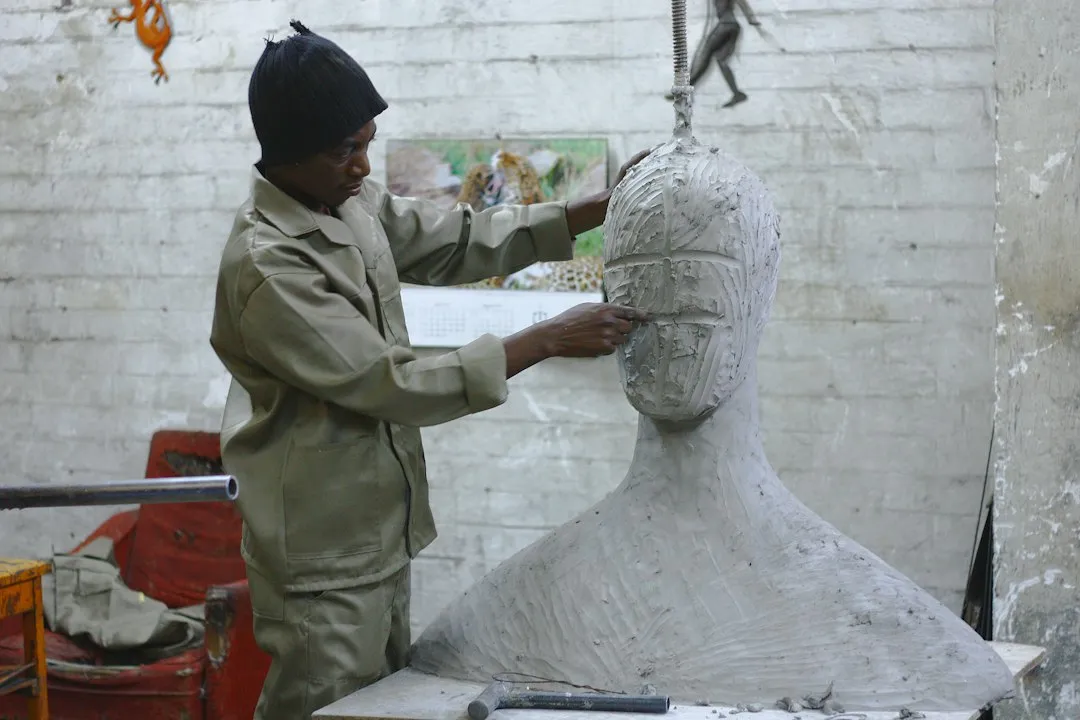
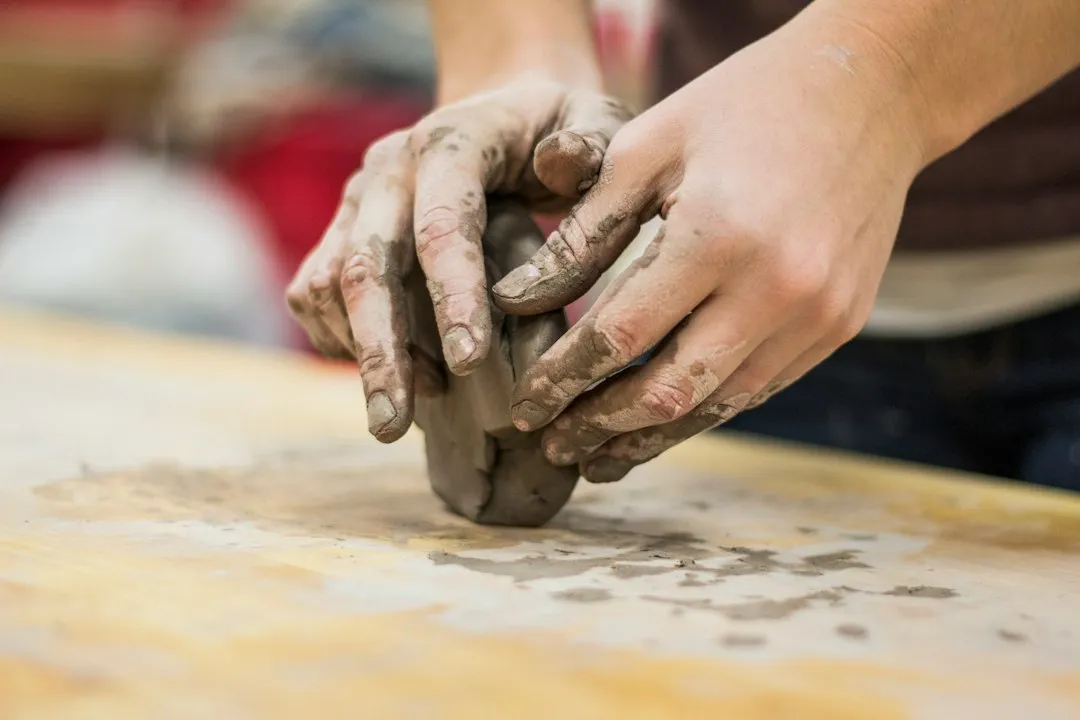
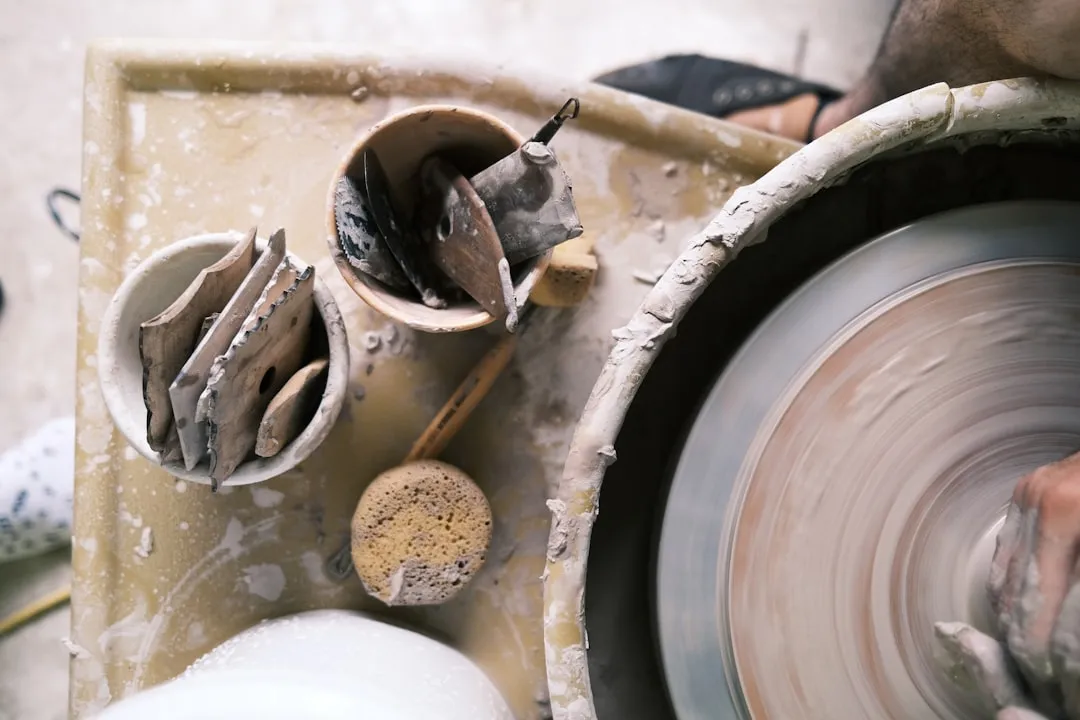
The patient pursuit of better work, the essence of craft, often benefits from an intentional resistance to definitive completion. This isn’t to say we should abandon projects; rather, it’s about recognizing that some works, especially those central to our development, are not finite products but living practices. Consider the Japanese concept of wabi-sabi, which celebrates imperfection and transience. A tea bowl might be intentionally left with an uneven glaze or a slightly asymmetrical form, not as a flaw, but as an invitation for continued appreciation and even future mending. This ‘unfinishing’ maintains a connection, preventing the work from becoming a static artifact. In a more modern context, look at software development. The most successful applications are rarely ‘finished’; they are perpetually updated, refined, and iterated upon based on user feedback and evolving understanding. This continuous deployment model, where even a ‘released’ version is understood to be a work in progress, exemplifies a deliberate embrace of unfinishing. It keeps the craftsperson engaged, open to new insights, and resistant to the illusion of absolute perfection. The commitment shifts from merely finishing a piece to sustaining its evolution and relevance. The moment we declare something ‘done’ and move on, we risk cutting off its potential for growth and our own continued learning from it.
The Counterpoint
One might argue that advocating for ‘unfinishing’ is a dangerous path, a thinly veiled excuse for procrastination or a lack of discipline. The world demands finished products. Businesses require deliverables, artists need to release albums, and writers must publish books. Without the pressure of a deadline and the expectation of completion, many projects would simply languish indefinitely. The very act of pushing through to a definitive end hones our skills in problem-solving, decision-making, and execution. Furthermore, the psychological satisfaction of finishing provides crucial motivation and a sense of accomplishment, fueling future endeavors. If everything remains perpetually ‘unfinished,’ where do we find closure? Where do we mark progress? This perspective suggests that while iteration is vital, there must be points of definitive completion to validate effort and allow for the strategic allocation of resources to new challenges. To constantly tinker without ever concluding can lead to analysis paralysis and a body of work that is wide but never deep, always promising but never truly delivered. The discipline of ‘shipping’ is, for many, the ultimate test of craft.
Yet, what survives the objection is the intentionality behind the ‘unfinishing.’ The point is not to avoid completion out of fear, but to choose a form of completion that leaves the door open for future engagement. I concede that for many projects, a hard finish is necessary and appropriate. But for our core craft, for the skills we truly wish to master, the ‘unfinishing’ allows for a different kind of growth. It’s about recognizing that a ‘finished’ product can still be a ‘living’ work, one that we revisit, critique, and improve upon, even after its initial release. The pressure to ‘ship’ is valid, but the internal mindset can still be one of perpetual refinement.
What To Do With It
Instead of viewing your craft projects as a series of finite tasks to be checked off, try embracing a mindset of continuous iteration, even after initial ‘completion.’ For one significant piece of work you consider ‘done’—a published essay, a released product feature, a crafted object—commit to revisiting it in three months. Not to merely admire it, but to critically assess it with fresh eyes, asking: If I were starting this today, what small, meaningful improvement would I make? This isn’t about dismantling; it’s about a focused, surgical enhancement. Document that potential improvement, even if you don’t immediately implement it. This practice keeps your mind engaged with the work’s potential, transforming ‘finished’ into ‘current iteration.’ It trains you to see your output not as monuments, but as waypoints on an ongoing journey of refinement.
What small corner of a ‘finished’ work could you intentionally leave open for future growth?
Sources
Worth your minute?
Get tomorrow’s issue and never miss a flame. Free, weekday mornings.
No spam. One email each weekday. Unsubscribe anytime.