The deliberate bend
Why true craft isn't about perfect straight lines, but knowing how to skillfully deviate.
“The shortest distance between two points is often a curve.” — After Le Corbusier
The Idea
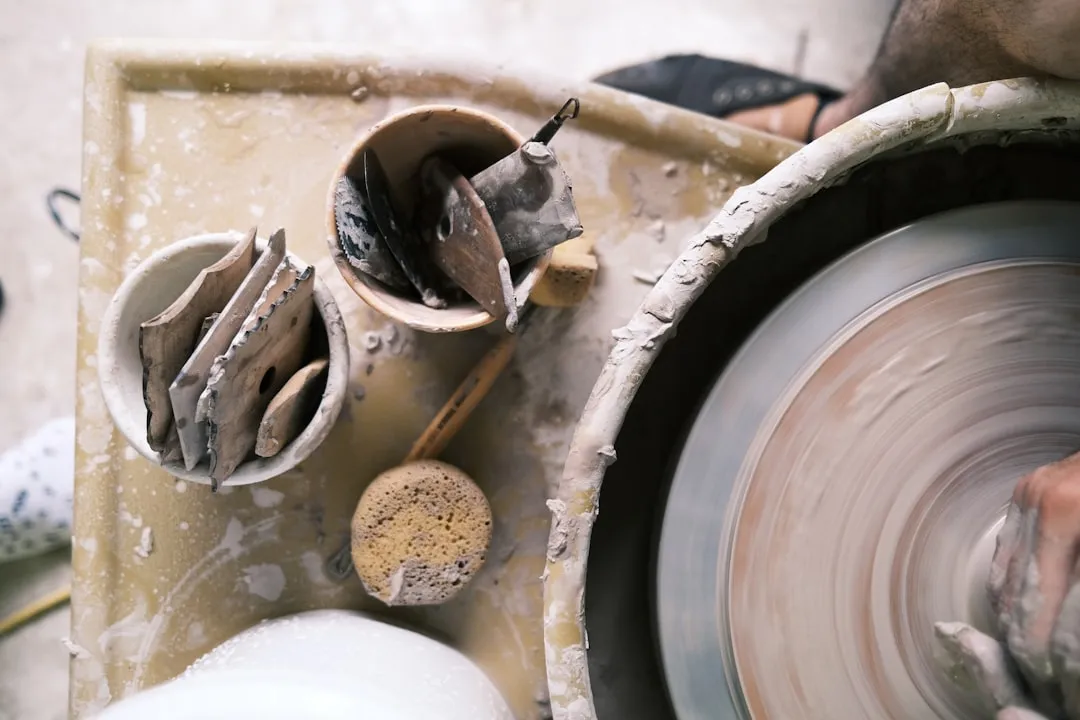
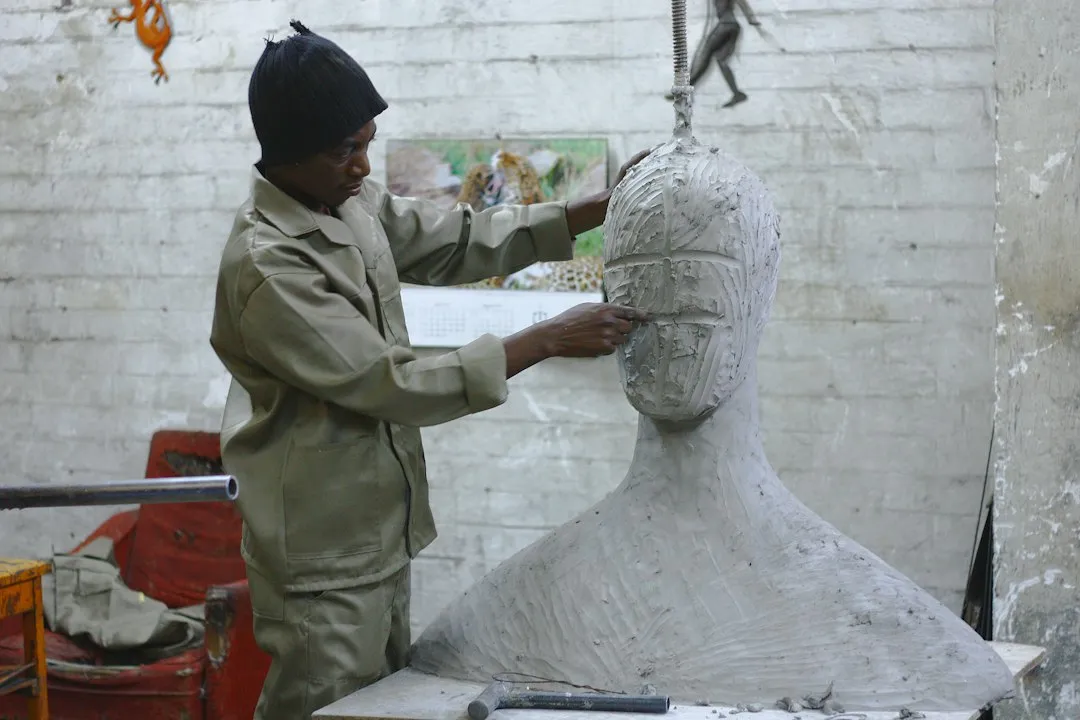
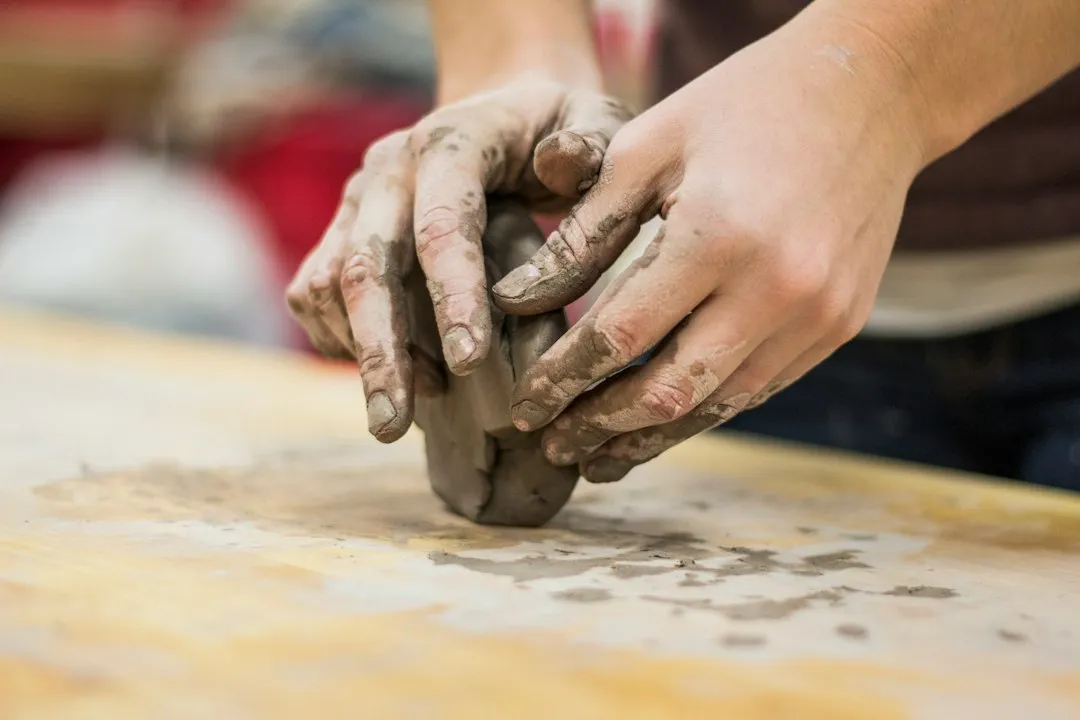
We often assume mastery means unswerving precision, following the blueprint exactly. Yet, look at a master potter, a seasoned carpenter, or an experienced chef. Their hands don’t always move in perfectly straight lines or follow recipes to the letter. Instead, they make subtle, almost imperceptible adjustments—a slight bend in the wood grain, a nuanced shift in clay, a pinch more salt guided by intuition. This isn’t sloppiness; it’s the deliberate bend: the intentional, skillful deviation from the expected path, informed by deep understanding and experience. It’s knowing when the rules need to be flexed for a superior outcome.
One Question
Where in your craft or work might a subtle, intentional deviation lead to a better, more nuanced result than strict adherence to the plan?
Today’s Action
- Identify a routine task where you normally follow a rigid procedure.
- In one small, low-stakes instance, allow yourself a minor, conscious deviation – a different tool, a slightly altered sequence, a non-standard approach.
- Observe the outcome. Did it reveal anything new or offer a subtle improvement?
Go Deeper
True craft isn’t just about following instructions; it’s about understanding the underlying principles well enough to know when and how to artfully break them. The deliberate bend is where intuition meets skill, transforming mere execution into artistry.
Worth your minute?
Get tomorrow’s issue and never miss a flame. Free, weekday mornings.
No spam. One email each weekday. Unsubscribe anytime.