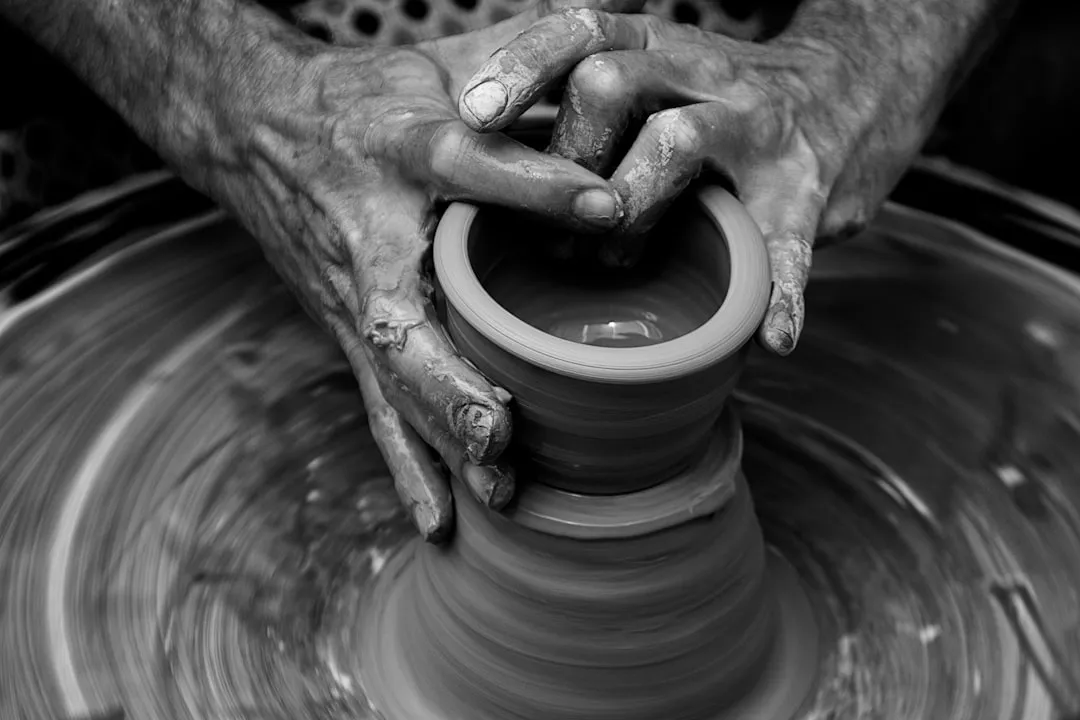
The subtle art of 'enough'
Why knowing when to stop refining is as crucial as knowing how to start.
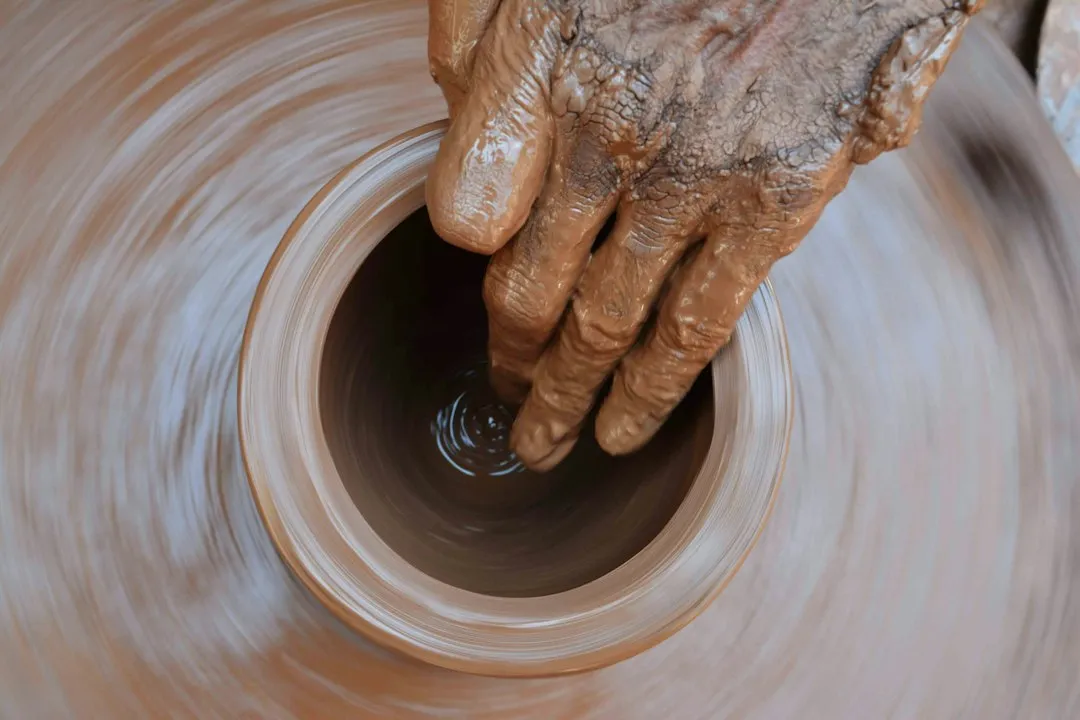
“Art is never finished, only abandoned.” — Leonardo da Vinci
The Idea
We often celebrate the relentless pursuit of perfection, the endless iterations, the constant refinement. In craft, this drive is vital. But there’s a lesser-known, equally critical skill: recognizing ‘enough.’ This isn’t about settling for mediocrity; it’s about understanding the diminishing returns of effort, the point where further tweaking introduces more noise than signal. A chef knows when a dish is seasoned just right, a sculptor when a form is complete, a writer when a sentence has found its rhythm. Pushing beyond this point doesn’t improve; it often overworks, drains vitality, or obscures the original intent. It’s the moment when adding more subtracts value.
One Question
Where in your current work are you driven by a compulsion for ‘more’ when ‘enough’ has already been achieved?
Today’s Action
- Review a recent task you consider ‘finished’ but still feel compelled to revisit.
- For 10 minutes, consciously resist the urge to change anything. Just observe it as it is.
- Make a note of what, if anything, you felt was truly improved by this resistance.
Go Deeper
The pursuit of better work can become an endless loop of self-doubt if we don’t learn to trust our judgment of completion. ‘Enough’ isn’t a compromise; it’s a deliberate, confident choice that marks mastery.
Worth your minute?
Get tomorrow’s issue and never miss a flame. Free, weekday mornings.
No spam. One email each weekday. Unsubscribe anytime.