The quiet strength of repair
Why resilience isn't just bouncing back, but actively mending what's broken.
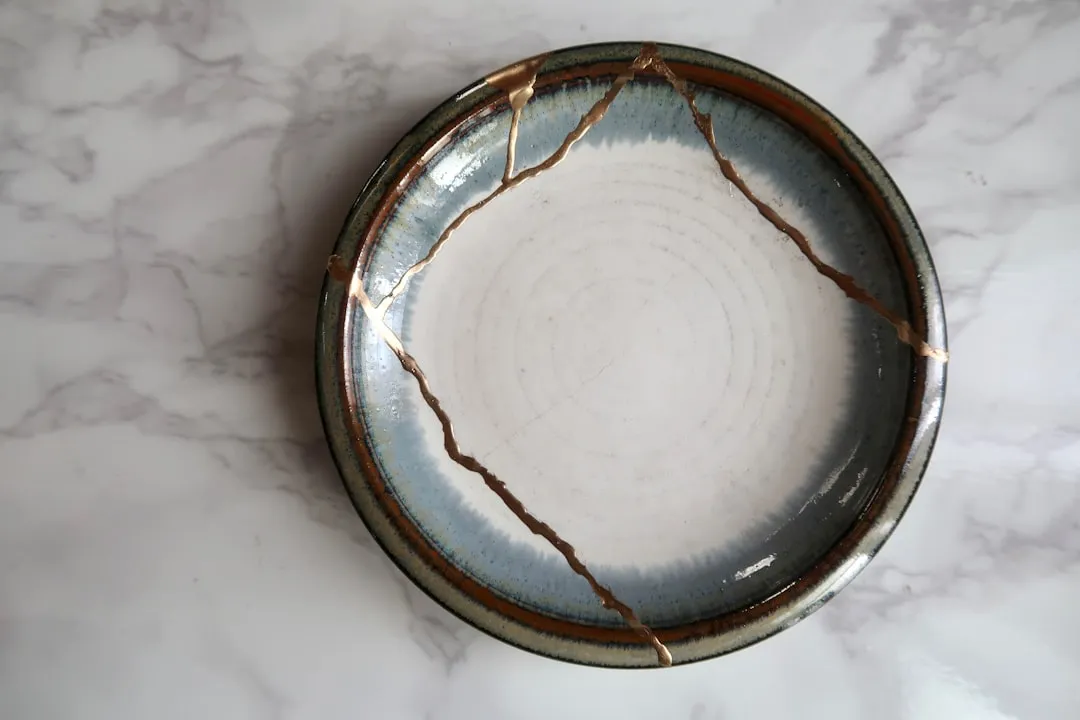
↳ Inspired by the Japanese art of Kintsugi.

“We are what we repeatedly do. Excellence, then, is not an act, but a habit.” — Aristotle
The Idea
When we think of resilience, we often picture someone effortlessly “bouncing back” from adversity, a spring-loaded return to form. But this image overlooks a crucial, more active component: repair. True resilience isn’t just about absorbing impact and returning to a previous state; it’s about the deliberate, often quiet, work of mending what has been strained, cracked, or broken. It’s the conscious act of piecing things back together, strengthening the weak points, and learning from the damage. It is a process that acknowledges the impact, rather than simply shrugging it off. The ability to repair is not a passive trait; it’s a skill cultivated through intentional effort, much like a craftsman meticulously restoring a cherished object.
One Question
What is one area of your life where you’ve been trying to “bounce back” that actually requires thoughtful, deliberate repair?
Today’s Action
- Identify a small, recently strained area: a relationship, a routine, a neglected skill.
- Commit 15 minutes to its repair today: send a thoughtful text, review your calendar, practice a basic exercise.
- Notice the subtle shift in your internal state when you move from passive recovery to active mending.
Go Deeper
Bouncing back implies an untouched whole. Repair acknowledges the fracture and strengthens the bond. The greatest resilience often comes not from an unbroken spirit, but from one that has been carefully and consciously put back together, stronger than before.
Worth your minute?
Get tomorrow’s issue and never miss a flame. Free, weekday mornings.
No spam. One email each weekday. Unsubscribe anytime.
Down the rabbit hole
The gift of controlled failure
Why small, intentional setbacks build a stronger capacity to recover from the big ones.

The skill of the second wind
Resilience isn't just bouncing back; it's finding renewed strength when you thought you had none left.

The resilience of the small bet
Why consistent, tiny wagers on yourself build more strength than grand gestures.