The rebound effect
Why trying to suppress a feeling often makes it stronger.
↳ Inspired by Daniel Wegner's ironic process theory of mental control.
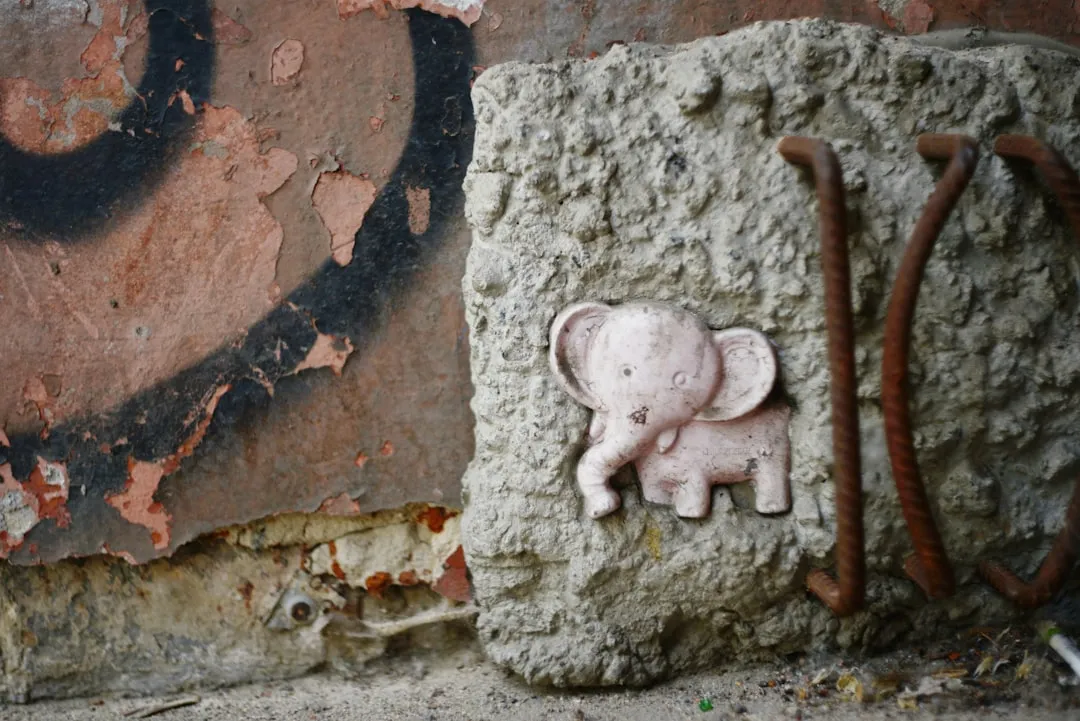
“What you resist, persists.” — Carl Jung (disputed, but widely attributed)
The Idea
When faced with an uncomfortable thought or feeling, our first instinct is often to push it away. “Don’t think about pink elephants,” and suddenly, all you can see are pink elephants. This is known as the “rebound effect” in psychology: the more you try to suppress a thought, emotion, or craving, the more likely it is to resurface, often with greater intensity. This isn’t a failure of willpower; it’s how the mind works. Our internal monitoring system, tasked with ensuring we don’t think about the unwanted thing, paradoxically keeps it front and center.
The rebound effect challenges our usual approach to resilience, which often involves an act of mental force. True resilience isn’t about eradicating discomfort, but about learning to acknowledge it without giving it more power.
One Question
What uncomfortable thought or feeling are you actively trying to push away right now, and how might that effort be sustaining it?
Today’s Action
- For the next five minutes, consciously allow yourself to think about the ‘unwanted’ thought or feeling you’ve been suppressing. Don’t judge it, just observe it.
- Notice how its intensity might shift once you stop fighting it.
- Write down one small, concrete observation about this experience.
Go Deeper
Resilience isn’t built on denial; it’s built on a quiet, steady acceptance of what is, followed by a deliberate choice of what to do next. The mind, like a spring, will rebound when compressed. Learn to release the pressure, not fight the force.
Worth your minute?
Get tomorrow’s issue and never miss a flame. Free, weekday mornings.
No spam. One email each weekday. Unsubscribe anytime.
Down the rabbit hole

The second bounce
Why true resilience isn't just recovering, but growing stronger from the recovery itself.

The skill of 're-anchoring'
How returning to your baseline, not just recovering, builds true fortitude.

The gift of controlled failure
Why small, intentional setbacks build a stronger capacity to recover from the big ones.