The shape of the cut
Why true craft isn't about adding more, but about knowing what to remove.
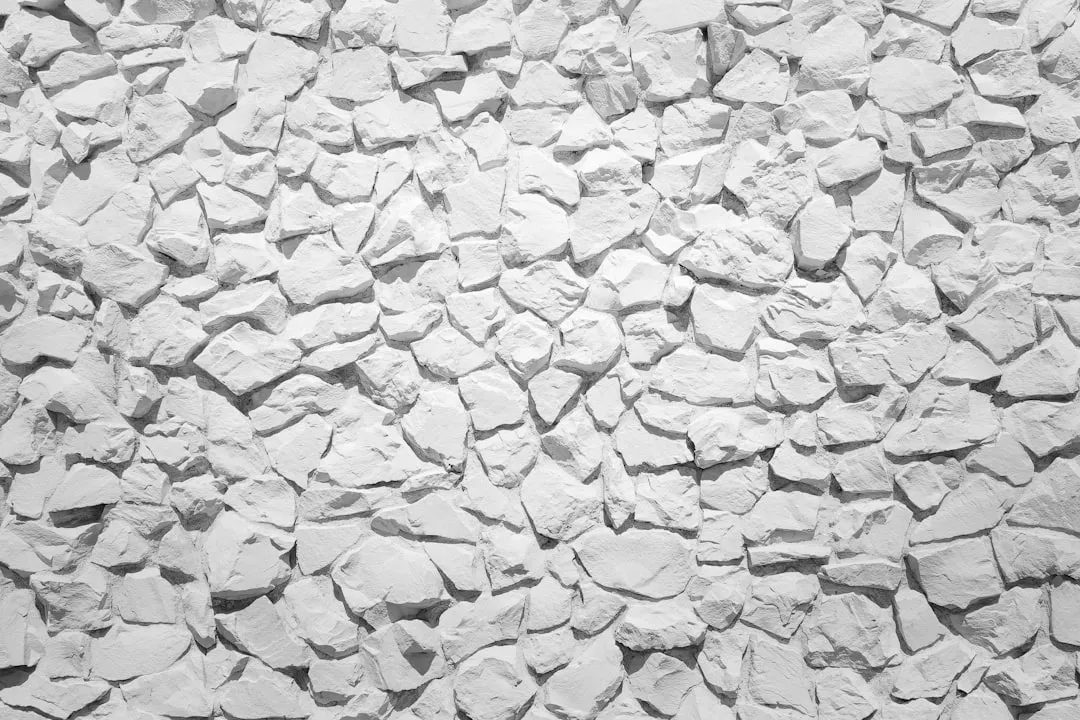
“The sculptor produces the beautiful figure by chipping away from the block that which is not needed.” — Plutarch
The Idea
We often imagine craft as an additive process: what new skill can I acquire? What additional feature can I build? What more can I learn? This mindset, while valuable, overlooks a more subtle and powerful dimension of mastery: the discipline of subtraction.
Consider the woodworker who, after years, understands not just how to carve, but what wood to leave untouched. Or the writer who, with ruthless precision, deletes entire paragraphs to reveal the stronger sentence buried beneath. True craft is frequently revealed not by what remains, but by what has been thoughtfully, intentionally removed. It’s the negative space that defines the form, the silence that makes the music meaningful.
One Question
In what area of your work or life is your next step not to add, but to carefully, intentionally remove?
Today’s Action
- Review a recent piece of work: an email, a presentation, a short report. Look for one sentence or slide that, if removed, would make the whole stronger.
- Identify a daily task or commitment that could be eliminated or delegated without significant negative impact.
- Notice how often your default impulse is to add, rather than subtract, when approaching a problem.
Go Deeper
Adding feels like progress. Removing feels like loss. Yet, the patient pursuit of better work often demands the courage to prune, to simplify, to find the essential form by letting go of everything else.
Worth your minute?
Get tomorrow’s issue and never miss a flame. Free, weekday mornings.
No spam. One email each weekday. Unsubscribe anytime.
Down the rabbit hole
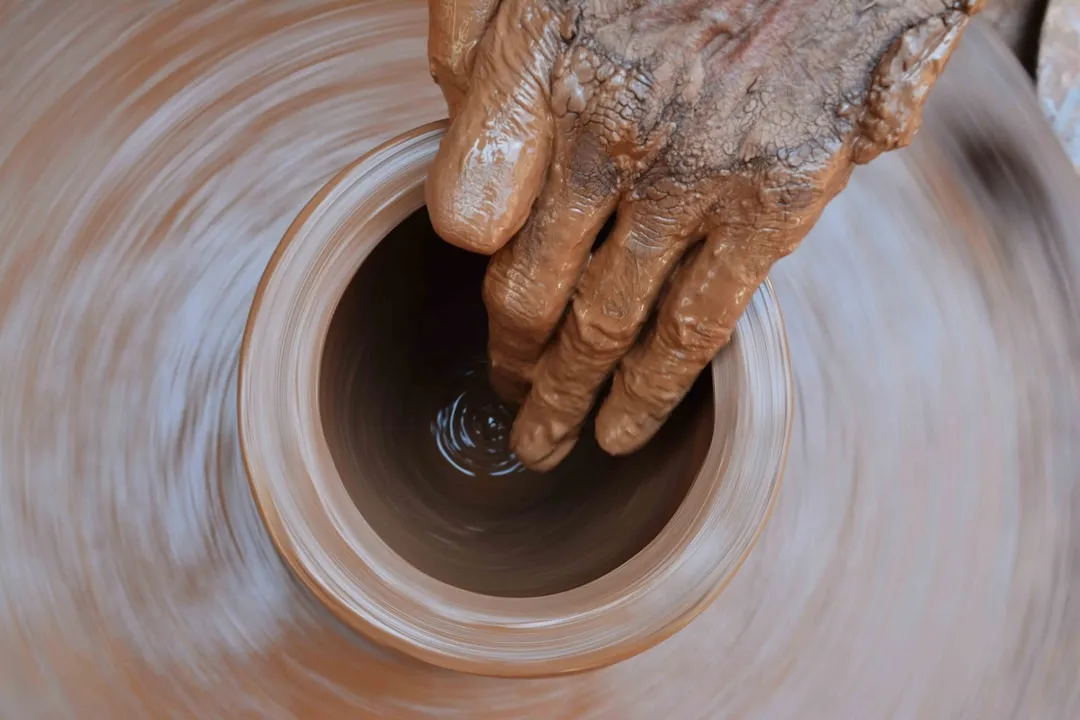
The deliberate constraint
On why true craft often begins with choosing what not to use.

The Craft of the Unseen Cut
Why true mastery lies not in what you add, but in the deliberate, almost imperceptible eliminations.
The subtle art of 'enough'
Why knowing when to stop refining is as crucial as knowing how to start.