Clearing the decks
What you put away matters as much as what you pick up.
↳ Builds on David Allen — Getting Things Done.

“For every minute spent organizing, an hour is earned.” — Benjamin Franklin (attributed)
The Idea
The end-of-day clear is as important as the morning plan. Not organizing for organization’s sake — not color-coded folders and a pristine inbox as a form of productive procrastination — but the specific act of closing the cognitive loops that, if left open, quietly bleed into the next day.
David Allen’s central insight in Getting Things Done is that the mind is bad at storage and good at processing. An unresolved item sitting in your environment — on your desk, in a tab, in a half-finished document — is not sitting still. It is actively consuming attention. It is pinging the part of your brain responsible for open loops, demanding a small portion of your processing capacity around the clock, including the hours when you are supposed to be resting.
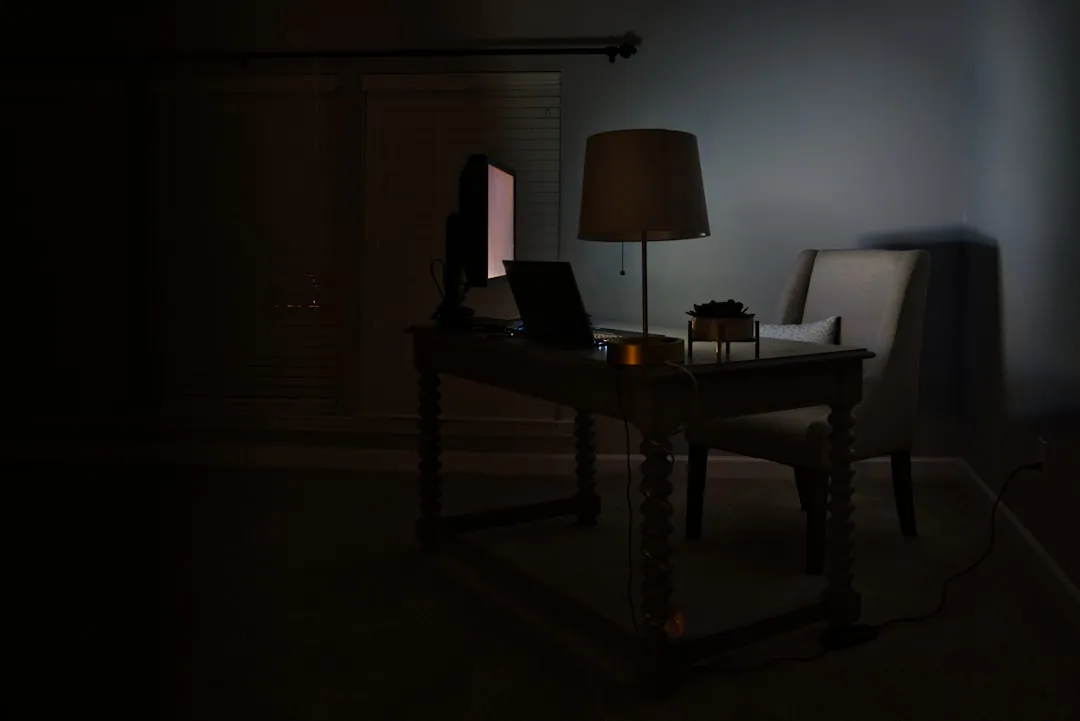
A cleared desk is not an empty desk. It is a reset desk. The difference matters. Resetting means everything that is there is there on purpose — you know what it is, you know what the next step is, and you have made a conscious decision either to deal with it tomorrow or to release it entirely. The unfinished thing sitting on your desk at midnight is still competing for your attention at 7am.
The end-of-day clear is brief — ten minutes, sometimes less. Its value is not in the tidiness. It is in the closing. You are not trying to finish everything. You are trying to close the loop on where everything stands, so that your mind can actually let go of it until morning.
One Question
What is sitting unresolved on your desk, in your tabs, or in your head right now that will still be there, competing for space, when you wake up tomorrow?
Today’s Action
- At the end of today’s work, take ten minutes to scan your physical and digital workspace.
- For each open item: either capture the next action (write it down), defer it with a specific date, or consciously release it.
- Close your tabs. Shut the notebook. Let the day end on purpose, not by accident.
Go Deeper
Starting fresh each morning is not luck. It is the result of having actually finished the previous day — not the work, but the accounting of it.
Sources
Worth your minute?
Get tomorrow’s issue and never miss a flame. Free, weekday mornings.
No spam. One email each weekday. Unsubscribe anytime.