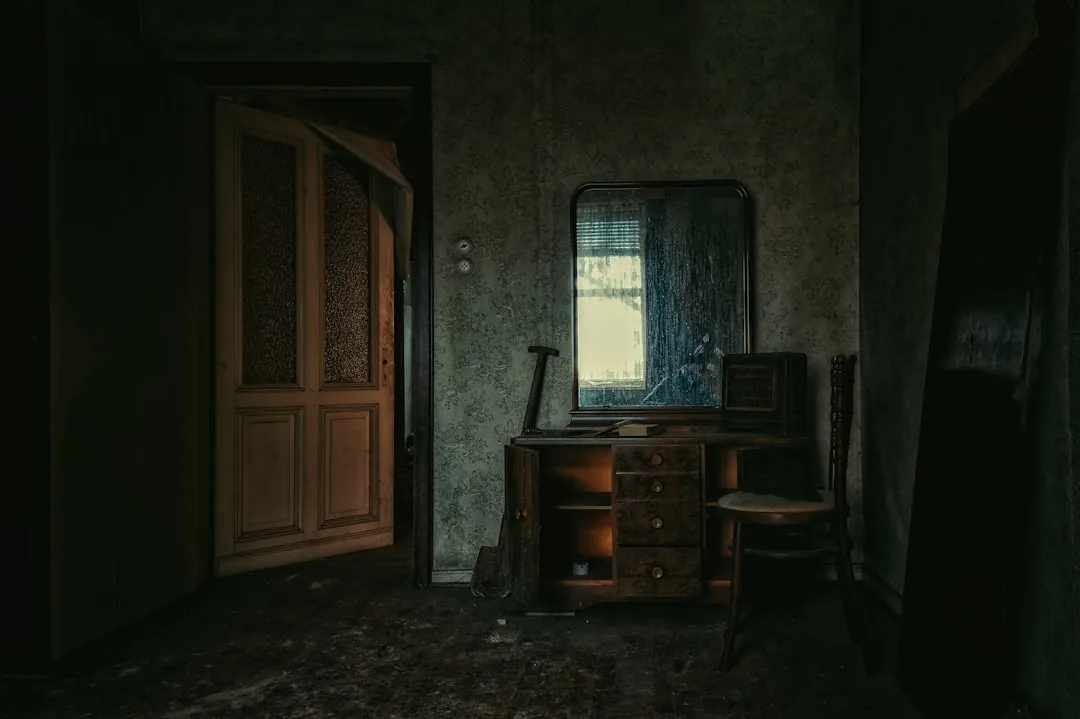
Unchosen attention
The difference between what you meant to focus on and what you actually did.
↳ Builds on Sophie Leroy — Why is it so hard to do my work?.

“You can do anything, but not everything.” — David Allen
The Idea
Most of our attention isn’t stolen. It’s surrendered before the thief even shows up.
The phone is in your hand before the thought to pick it up completes. The scroll begins before the decision to scroll is made. You look up from your work and ten minutes have gone somewhere you didn’t choose to send them. This is not a willpower failure — it’s something closer to a pre-authorization. Somewhere, at some point, you agreed to let the default take over.
Sophie Leroy’s research on attention residue shows that even partial task-switches leave traces — cognitive threads still running on the previous thing while your eyes have moved to something else. But there’s a layer beneath that: the switch itself often goes unnoticed. You didn’t decide to check the notification. The decision had already been made in the architecture of your environment.
The difference between chosen and unchosen attention is not small. Chosen attention carries intention. It knows what it’s doing and why. Unchosen attention just moves toward whatever is brightest, nearest, or loudest. Over a day, the gap between the two is the gap between the work you meant to do and the work you actually did.
One Question
At what points in your day does your attention move before you’ve decided where to send it?
Today’s Action
- For one hour today, put your phone in another room before you sit down to work — not on the desk, not face-down.
- Notice how many times you reach for something that isn’t there.
- Each reach is a pre-authorized diversion you just declined. Count them. Even three is data worth having.
Go Deeper
You cannot reclaim attention you didn’t know you were giving away. The first step is always just noticing the handoff — the moment the default takes over. That noticing, repeated often enough, is itself a practice.
Sources
Worth your minute?
Get tomorrow’s issue and never miss a flame. Free, weekday mornings.
No spam. One email each weekday. Unsubscribe anytime.